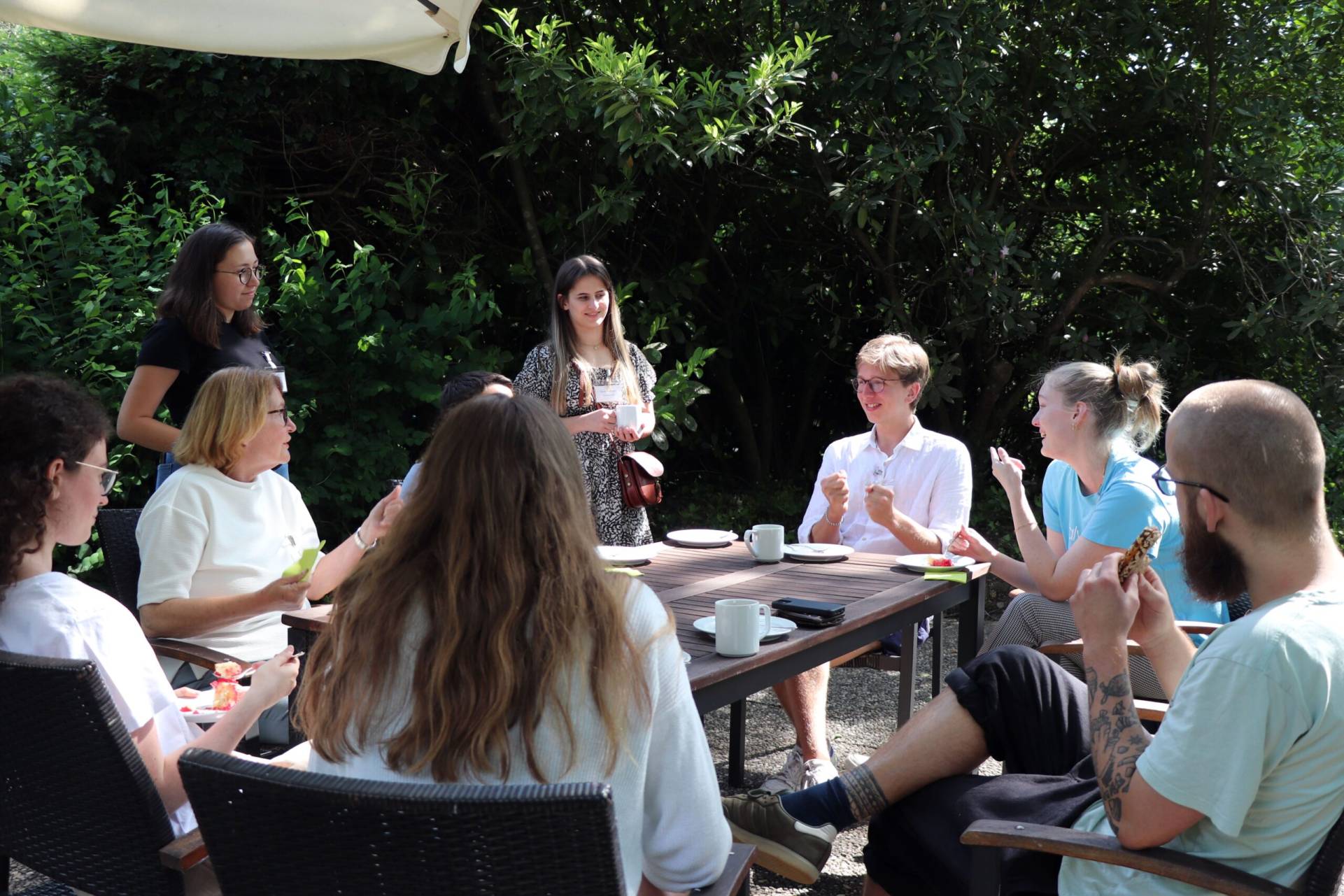
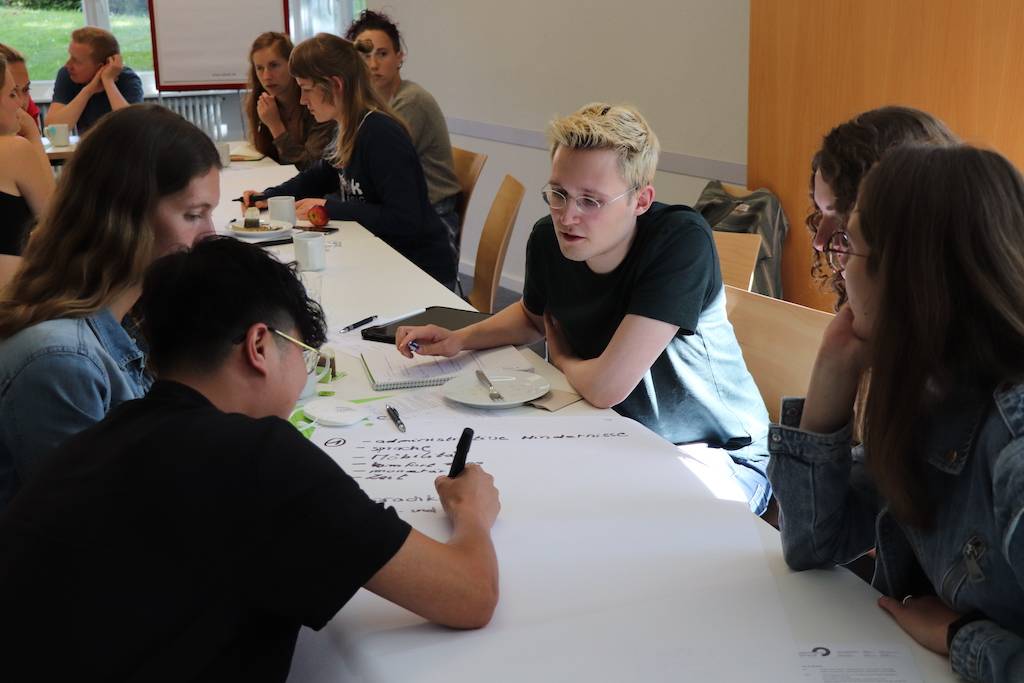
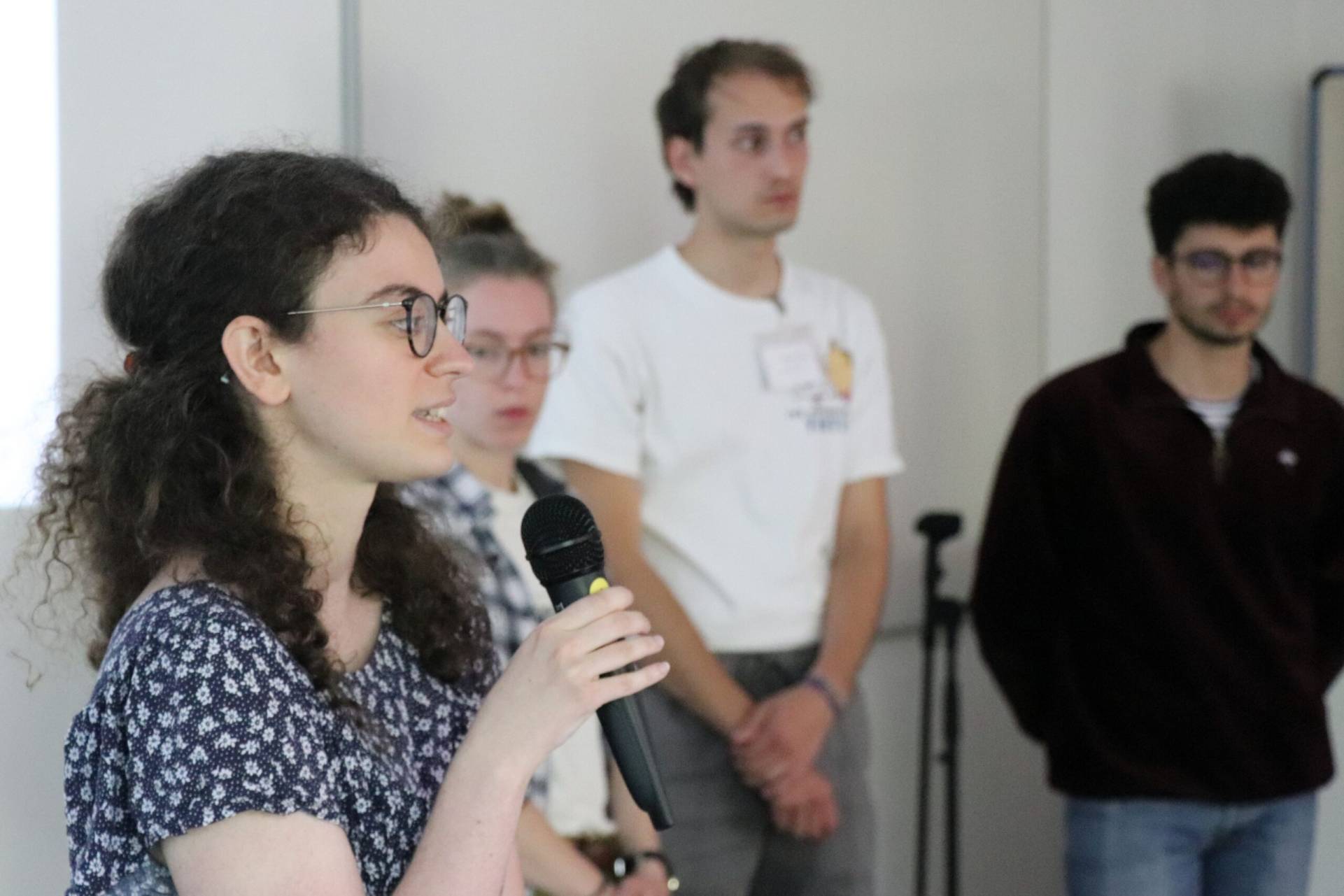
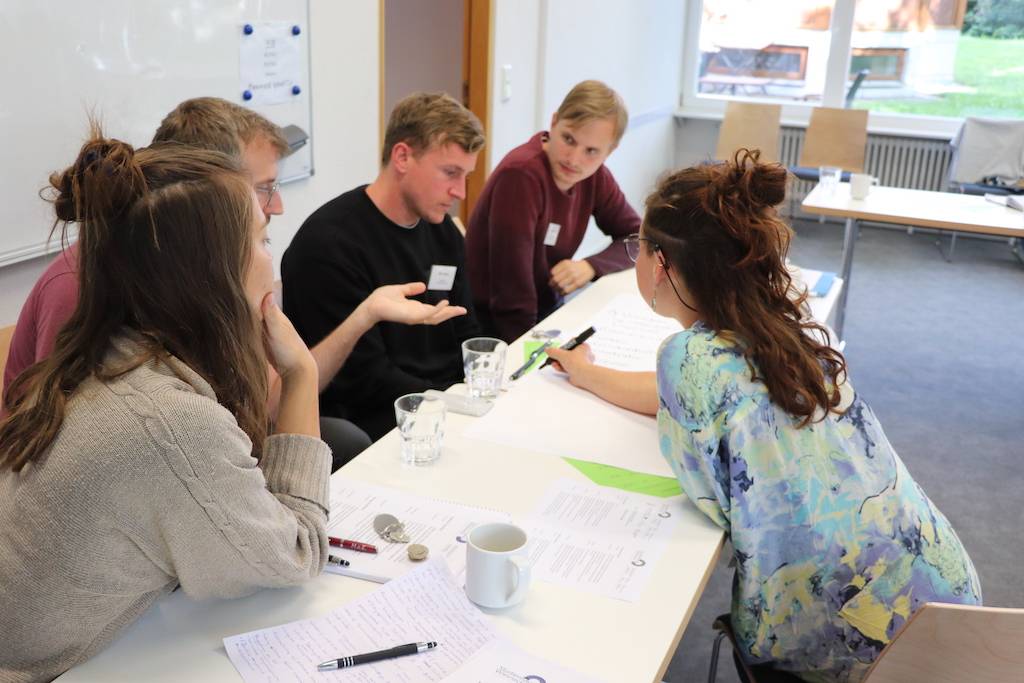




Trinationale Sommerschule „Die Zukunft Europas“
06. – 08.06.2024 im Studienhaus Wiesneck in Buchenbach in der Nähe von Freiburg
Die trinationale Sommerschule 2024 widmet sich dem Thema „Die Zukunft Europas“. Sie wird organisiert im Rahmen des Jean-Monnet-Exzellenzzentrums.
Die Arbeitssprachen der Sommerschule sind Deutsch und Französisch.
Programm
| Donnerstag, 06. Juni 2024 | |
| 14:00 Uhr | Eröffnung Prof. Dr. Gisela Riescher und Prof. Dr. Birte Wassenberg |
| 14:30 Uhr | Der europäische Grundrechtsverbund Prof. Dr. Matthias Jestaedt |
| 16:00 Uhr | Kaffee-Pause |
| 16:30 Uhr | Europa vor den Wahlen Prof. Dr. Birte Wassenberg und Prof. Dr. Ulrich Eith |
| 18:00 Uhr | Abendessen |
| 19:30 Uhr | Besprechung der Arbeitsgruppen parallel: Besprechung der Dozierenden |
| Freitag, 07. Juni 2024 | |
| 08:30 Uhr | Frühstück |
| 09:15 Uhr | Vorstellung der studentischen Arbeitsgruppenergebnisse Dr. habil Christine Aquatias, PD Dr. Martin Baesler, Dr. Angela Geck, Konstantin Kümmerle |
| 10:45 Uhr | Pause |
| 11:00 Uhr | Vorstellung der studentischen Arbeitsgruppenergebnisse Dr. habil Christine Aquatias, PD Dr. Martin Baesler, Dr. Angela Geck, Konstantin Kümmerle |
| 12:30 Uhr | Mittagessen |
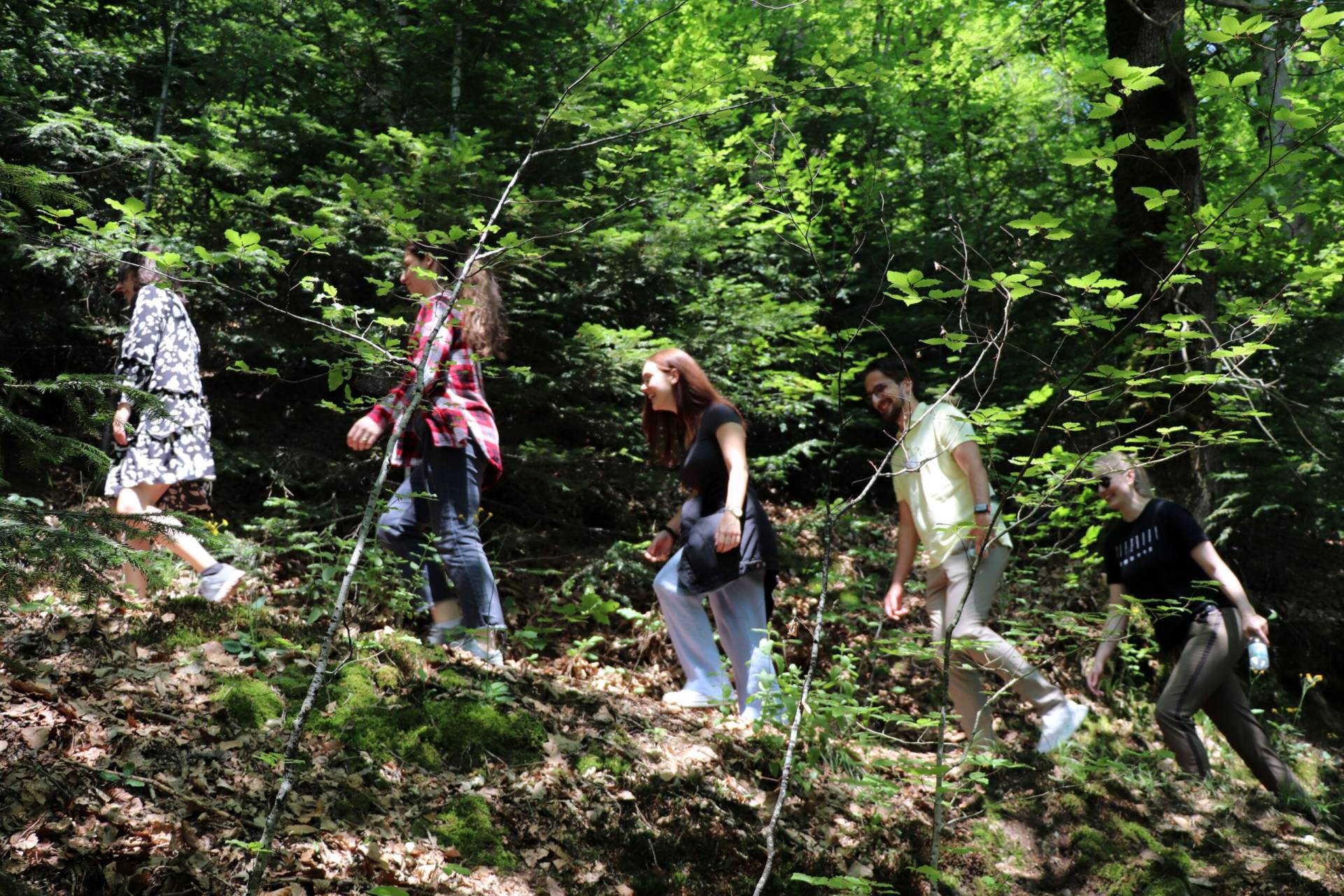
| 14:00 Uhr | Spaziergang |
| 15:30 Uhr | Kaffe und Kuchen |
| 16:00 Uhr | Die Souveränität Europas Prof. Dr. Gerlinde Groitl, Prof. Dr. Martine Camiade und Prof. Dr. Noriko Suzuki |
| 18:00 Uhr | Abendessen |
| 19:00 Uhr | Film |
| Samstag, 08. Juni 2024 | |
| 8:30 Uhr | Frühstück |
| 9:15 Uhr | Deutsch-Französische Beziehungen Prof. Dr. Annegret Eppler, Chiara Pricken |
| 10:45 Uhr | Pause |
| 11:00 Uhr | Die Zukunft Europas (Zusammenfassung und Ausblick) Prof. Dr. Sylvain Schirmann |
| 12.30 Uhr | Mittagessen |
Vorbereitende Arbeitsgruppen
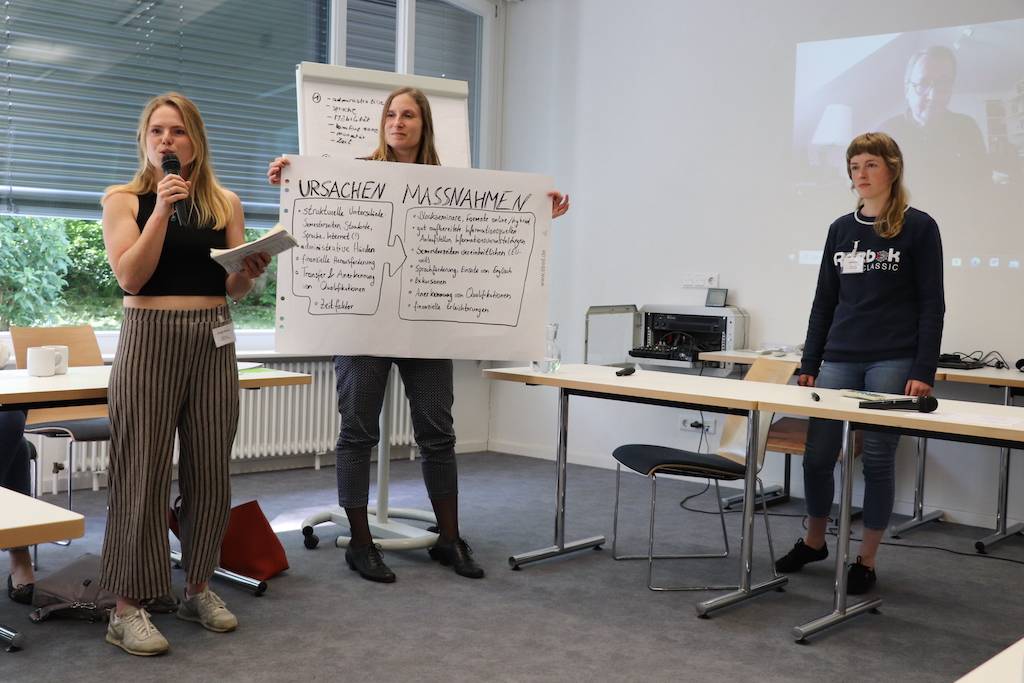
Die teilnehmenden Studierenden werden in vier trinationale Arbeitsgruppen eingeteilt, die im Vorfeld der Sommerschule eine gemeinsame Aufgabe zu einer Fragestellung zum Thema der Sommerschule bearbeiten und eine Präsentation dazu vorbereiten. Die Gruppen werden nach der Auswahl der Teilnehmer*innen von den Veranstalter*innen eingeteilt. Bitte geben Sie auf dem Anmeldeformular Ihre Präferenzen an.
Arbeitsgruppe 1: Die technologische Zukunft in der EU: Ethische und politiktheoretische Überlegungen zur Künstlichen Intelligenz und dem EU-Gesetz zur KI (AI-Act) (Betreuung: PD Dr. Martin Baesler, Universität Freiburg)
Wie verändert künstliche Intelligenz die menschliche Existenz? Wie lässt sich der Einsatz der KI regulieren? Algorithmische Technologien können aus riesigen Datenmengen lernen und sich auf das Leben, das Urteilen und die Entscheidungsfindung der Menschen auswirken. Die politische Denkerin Hannah Arendt vertrat die Ansicht, dass unsere menschliche Existenz auf Intersubjektivität und Pluralität beruht und dass wir uns vor den totalisierenden Tendenzen einer umfassenden Technologisierung hüten sollten. In ähnlicher Weise sprach der Philosoph Joseph Weizenbaum über die Unterscheidung zwischen menschlichem Urteil und maschinellen Berechnungen und warnte vor den soziokulturellen Auswirkungen des Einsatzes von Künstlicher Intelligenz. In den aktuellen ethischen und politischen Debatten über KI werden beide Ansätze genutzt, um einen ethisch-politischen Rahmen zu entwickeln, auf dessen Grundlage Kritik sowohl an der normativen Kraft der KI als auch an den Möglichkeiten der gesetzlichen Regulierung geübt werden kann.
In unserer Arbeitsgruppe werden wir diesen ethisch-politischen Rahmen erarbeiten und darauf aufbauend das EU-Gesetz zur Künstlichen Intelligenz genauer in den Blick nehmen und diskutieren.
Arbeitsgruppe 2: Regionen und Kommunen als Legitimitätsbeschaffer der EU? (Betreuung: Konstantin Kümmerle, Hochschule Kehl)
Der Workshop widmet sich der subnationalen Ebene des „EU-Mehrebenensystems“:
Welche Territorialgliederungen haben die verschiedenen EU-Staaten, z.B. Bundesländer, „Régions“ und „Départements“ und Wojewodschaften? Wie ist deren rechtliche Stellung, welche Rolle spielen sie in der Umsetzung von EU-Sekundärrecht und wie steht es um die kommunale Selbstverwaltung in verschiedenen EU-Staaten? Welche formalen und informellen Einflussnahmemöglichkeiten auf den Politikgestaltungs- und Rechtssetzungsprozess der EU haben subnationale Akteure und welche Rolle spielen subnationale Parlamente im Rahmen der Subsidiaritätskontrolle und des „Mehrebenenparlamentarismus“?
Mit dem Auftreten der multiplen Krisen der letzten Jahre wurde es ruhiger um die subnationale Ebene des EU-Systems. Dabei könnten Regionen und Kommunen als „bürgernächste Ebene“ in krisenhaften Zeiten eine wichtige Rolle spielen. Nicht zuletzt haben sie das Potential, die gesellschaftliche Integration vor Ort voran zu treiben und damit die Legitimität für das gesamte EU-System zu steigern, ohne die eine Lähmung droht, die eine sachangemessene Politik in krisenhaften Zeiten unmöglich machen kann.
Neben einer Analyse des Status quo des „Europas der Regionen“ und Kommunen wollen wir der Frage nachgehen, welche Chancen Regionen und Kommunen als bürgernächste Ebene für die Weiterentwicklung der EU spielen können und sollen. Wir analysieren verschiedene Motoren der Integration, an denen Regionen und Kommunen beteiligt sind, etwa kommunale Bürgerdialoge über EU-Themen (z.B. in der Stadt Pforzheim), die neue Einheit „Multi-level Governance“ in der Verwaltung des Europäischen Parlaments und grenzüberschreitende gesellschaftliche Projekte, an denen Kommunen und Regionen beteiligt sind.
Arbeitsgruppe 3: Die EU für das 21. Jahrhundert reformieren und erweitern? (Betreuung: Dr. habil. Christine Aquatias, IEP Strasbourg)
Liegt die Zukunft der Europäischen Union in ihrer Erweiterung? In dem neuen geopolitischen Kontext, der nach dem 24. Februar 2022 entstand, waren Frankreich und Deutschland sofort davon überzeugt. Emmanuel Macron und Olaf Scholz bekräftigten dies erneut auf der gemeinsamen Pressekonferenz, die sie nach dem deutsch-französischen Ministerrat anlässlich des 60. Jahrestags des Élysée-Vertrags im Januar 2023 hielten. Ihre Regierungen beauftragten eine Gruppe von deutschen und französischen Experten damit, Empfehlungen zur EU-Erweiterung und zu den institutionellen Reformen zu unterbreiten. Deren Bericht wurde im September 2023 abgegeben, mit dem aussagekräftigen Titel: Unterwegs auf hoher See: Die EU für das 21. Jahrhundert reformieren und erweitern. Im Dezember 2023 verlieh die EU Georgien den Status eines Beitrittskandidaten und erhöhte hiermit die Liste der Kandidatenländer auf 9.
Für die Untersuchungen unserer Arbeitsgruppe stehen mehrere Möglichkeiten zur Auswahl. Zum Beispiel: Beschreitet die EU die Wege, die der deutsch-französische Expertenbericht anzeigt? Oder: Welche sehr unterschiedlichen Interessen und Ziele verfolgen heute trotz demonstrierter Einheit die 27 EU-Mitgliedstaaten in Bezug auf die Erweiterung und ihre Modalitäten? Alle weiteren Vorschläge sind natürlich willkommen.
Arbeitsgruppe 4: Antieuropäische Bewegungen (Betreuung: Dr. Angela Geck, Universität Freiburg)
Europaskeptische oder antieuropäische Positionen sind kein neues Phänomen, sondern haben den Integrationsprozess von Anfang an begleitet. Dennoch lässt sich ab den 1990er Jahren eine zunehmende Politisierung des Integrationsprozess und ab den späten 2000er eine wachsende Präsenz dezidiert antieuropäischer Parteien im Europarlament beobachten. Auch in nationalen Parlamenten und Regierungen spielen euroskeptische Parteien eine Rolle, was sich z.b. im Brexit aber auch in entsprechenden Positionen im Rat der EU zeigt. Dabei gibt es allerdings erhebliche Unterschiede zwischen harten Euroskeptiker*innen, die die EU als solche ablehnen, und weichen, die lediglich Kritik an ihrer gegenwärtigen Form üben; zwischen Rechten, die EU-Integration und Migration als Bedrohung nationaler Souveränität und Kultur betrachten, und Linken, die die EU als neoliberales Projekt ablehnen. Erklärungen für den Erfolg antieuropäischer Parteien reichen vom zunehmenden Kompetenzbereich und demokratischen Defizit der EU über aktuellen Krisen bis zu politischen cleavages zwischen Globalisierungsgewinner*innen und -verlierer*innen oder zwischen Zentrum und Peripherie.
Die Arbeitsgruppe bearbeitet eine selbstgewählte Fragestellung zur Thematik. Dabei kann es entweder um die Hintergründe antieuropäischer Bewegungen gehen oder um die Auswirkungen ihrer zunehmenden Präsenz auf die Entscheidungsfindung in den EU-Institutionen oder nationale Diskurse.
Organisatorisches und Bewerbung
ECTS:
Für die Teilnahme an der Sommerschule inklusive Beteiligung an einer der vorbereitenden Arbeitsgruppen werden 2 ECTS vergeben.
Kosten:
Für die Teilnahme an der Sommerschule, Unterkunft und Verpflegung wird ein Teilnahmebeitrag von 40 Euro pro Person erhoben.
Studierende es Institute d’Études Politiques (IEP) Straßburg sind von der Teilnahmegebühr befreit.
Anreise:
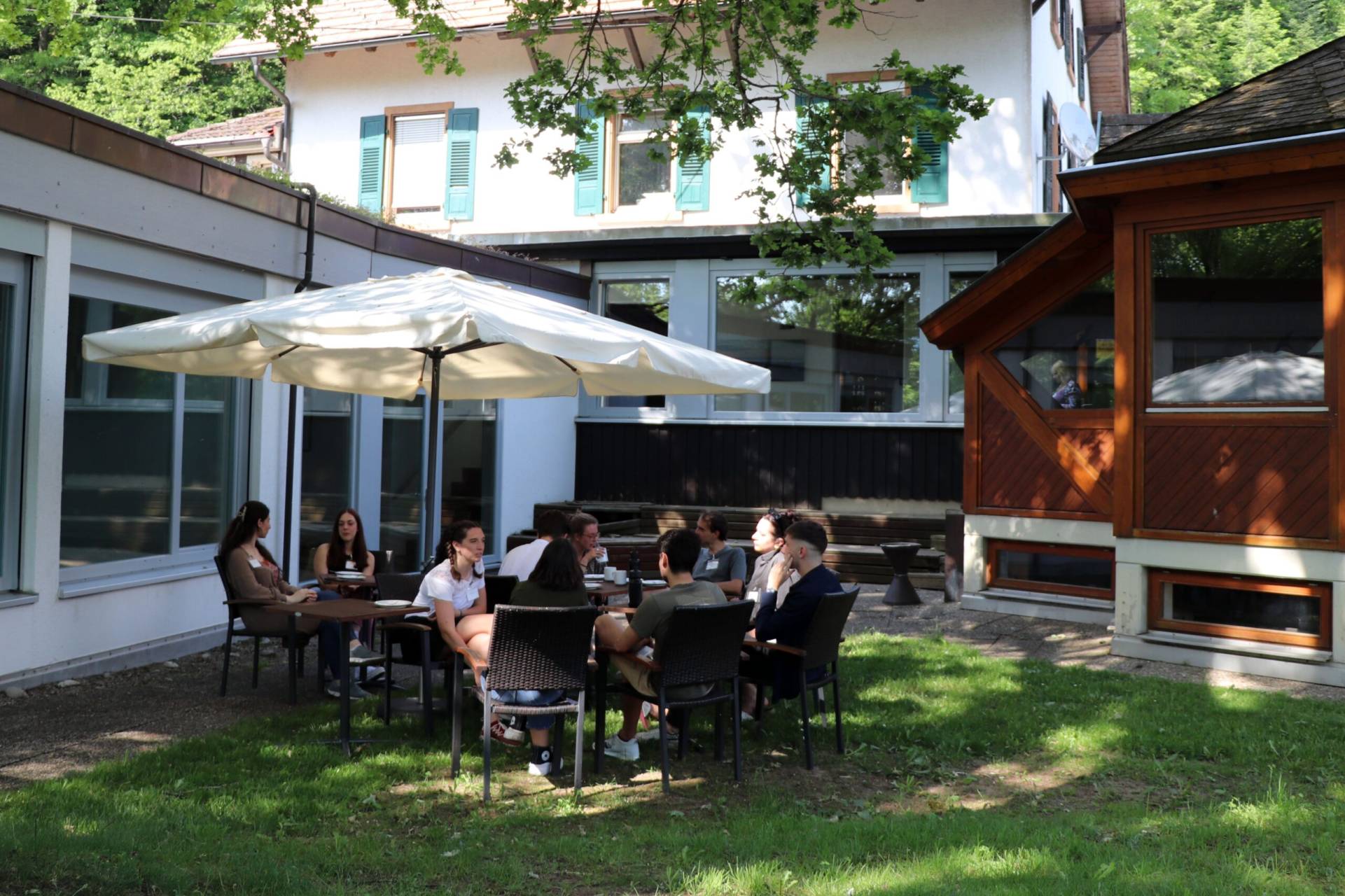
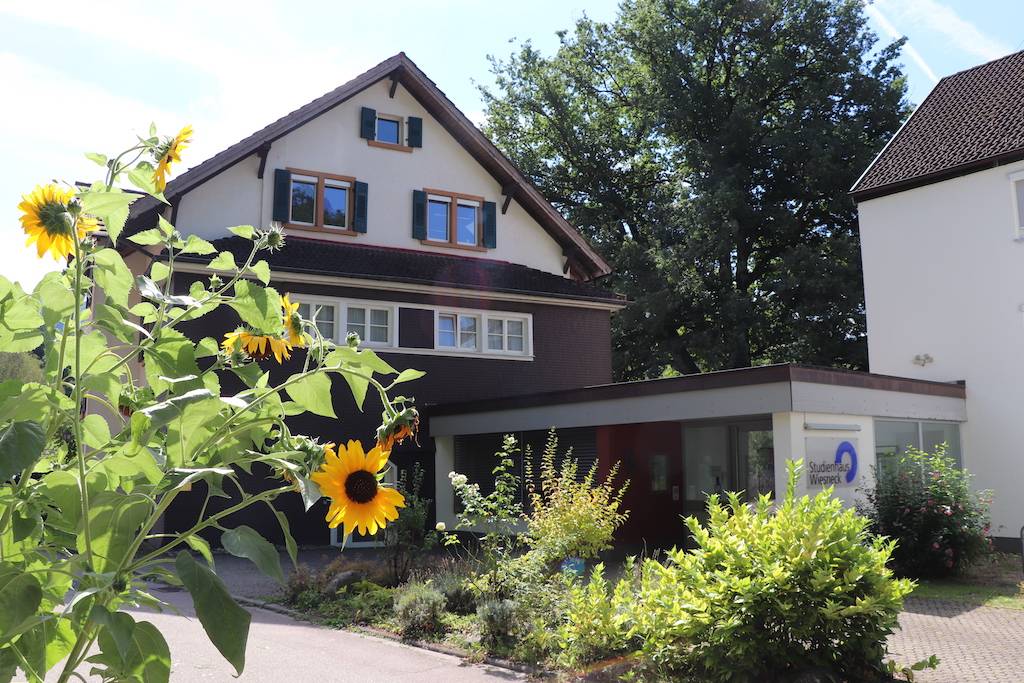
Die Sommerschule findet im Studienhaus Wiesneck in Buchenbach in der Nähe von Freiburg im Breisgau statt. Anreise mit der Bahn über den Bahnhof Himmelreich, von dort ca. 15 Minuten Fußweg.
Die Anreise muss selbst organisiert werden. Studierende aus Straßburg und Basel haben die Möglichkeit, im Rahmen der EUCOR-Mobilitätsförderung bei ihrer Heimatuniversität einen Antrag auf einen Zuschuss zu den Reisekosten von ihrem Studienort zum Veranstaltungsort zu stellen.
Bewerbung:
Studierende der Universität Freiburg und der Universität Basel: Bitte senden Sie Ihre Bewerbung, inklusive Anmeldeformular, kurzes Motivationsschreiben und Lebenslauf, bis zum 19. April 2024 an Angela Geck (angela.geck@politik.uni-freiburg.de).
Studierende der Hochschule für öffentliche Verwaltung Kehl:
Für Informationen zu den Bewerbungsmodalitäten wenden Sie sich bitte an Ann-Marie Riesner (riesner@hs-kehl.de).
Studierende des Institute d’Études Politiques (IEP) Strasbourg:
Für Informationen zu den Bewerbungsmodalitäten wenden Sie sich bitte an Christine Aquatias (aquatias@unistra.fr).
Unsere Partner 2024
Die Sommerschule 2024 wird veranstaltet und organisiert von der Hochschule für öffentliche Verwaltung in Kehl in Kooperation mit dem Institut d’Études Politiques (IEP) de Strasbourg, dem Seminar für wissenschaftliche Politik der Albert-Ludwigs Universität Freiburg und dem Departement Gesellschaftswissenschaften der Universität Basel.
Die Veranstaltung wird organisiert im Rahmen des Jean-Monnet-Exzellenzzentrums. Sie wird außerdem gefördert durch EUCOR-Mobilitätsmittel.